Physical Therapy for Carpal Tunnel Syndrome in Reno: Relief Without Surgery
Hands-on physical therapy in Reno for carpal tunnel syndrome, manual therapy, myofascial release, and dry needling to free the median nerve.
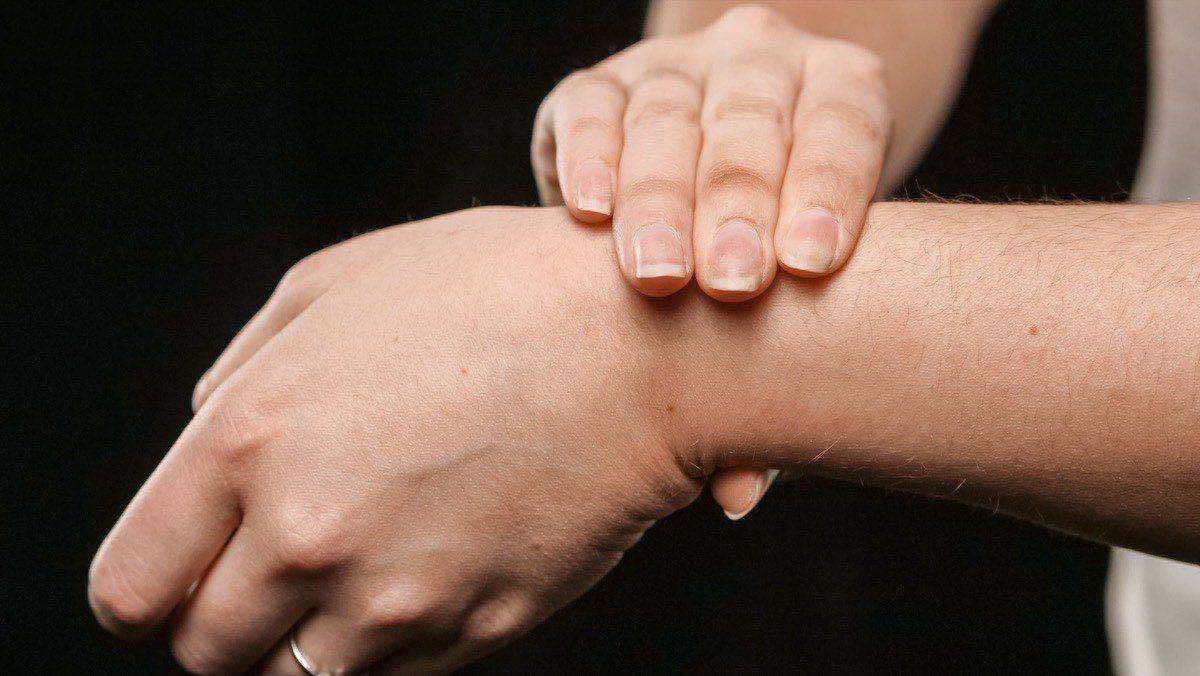
You wake up at 2 a.m. with your hand asleep, that deep, pins-and-needles numbness in your thumb, index, and middle fingers that makes you shake your wrist to get the feeling back. During the day, your grip feels clumsy. You drop your coffee mug, fumble your keys, and your hand aches after a long stretch at the keyboard or behind the wheel on the way over Mt. Rose. If that sounds familiar, you’re likely dealing with carpal tunnel syndrome: and the good news is that, caught early, you have excellent odds of getting real relief without ever going under the knife.
At Healing Hands PT here in Reno, Dr. Jamie Pribyl (PT, DPT, MTC) treats carpal tunnel the way it should be treated: by finding why the median nerve is being pinched and going after the cause with skilled, hands-on care. No assembly-line clinic, no being passed off to an aide, just one expert, one set of hands, and the time to actually fix the problem.
What carpal tunnel syndrome really is
Carpal tunnel syndrome isn’t a “wrist that’s worn out.” It’s a nerve that’s being squeezed. The carpal tunnel is a narrow passageway on the palm side of your wrist, and your median nerve runs through it along with nine tendons. When the tissues in that tunnel swell, thicken, or get crowded, the nerve gets compressed, and that’s when the numbness, tingling, and weakness start.
As OrthoInfo from the American Academy of Orthopaedic Surgeons explains it:
“Carpal tunnel syndrome is a common condition that causes numbness, tingling, and pain in the hand and forearm. The condition occurs when one of the major nerves to the hand (the median nerve) is squeezed or compressed as it travels through the wrist.”
Why does it happen? Repetitive gripping and wrist bending, long hours at a keyboard or mouse, time on a phone or steering wheel, pregnancy-related fluid retention, and conditions like diabetes or thyroid issues can all crowd that tunnel. But here’s the part most people miss: the median nerve doesn’t only travel through your wrist. It runs all the way from your neck, through your shoulder, down the forearm, and into the hand. Tight muscles and restricted tissue anywhere along that path can tug on the nerve and mimic or worsen carpal tunnel. That’s exactly why a hands-on approach that looks at the whole arm (not just the wrist) so often succeeds where a wrist brace alone falls short.
Why early, hands-on treatment matters
Carpal tunnel rarely fixes itself. OrthoInfo is direct about this:
“In most patients, carpal tunnel syndrome gets worse over time. If untreated for too long, it can lead to permanent dysfunction of the hand, including loss of sensation in the fingers and weakness. For this reason, it is important to diagnose and treat carpal tunnel syndrome promptly. If diagnosed and treated early, the symptoms of carpal tunnel syndrome can often be relieved without surgery.”
That last sentence is the whole point. The earlier you address it, the more likely conservative, non-surgical care can give you lasting relief, and the less likely you’ll be looking at surgery, a long recovery, and weeks off work.
How hands-on physical therapy frees the median nerve
Surgery cuts the ligament over the carpal tunnel to make more room. Conservative physical therapy takes a different route: it reduces the crowding and restriction that are compressing the nerve in the first place, and it teaches the nerve to glide freely again. Here’s how the techniques Dr. Jamie uses target your wrist, hand, and the nerve itself.
Manual therapy and bodywork
Skilled manual therapy uses precise, hands-on mobilization of the wrist bones, the soft tissues of the forearm, and the joints along the arm to open up space around the median nerve. By gently mobilizing the small carpal bones and releasing tight forearm muscles, manual therapy can decompress the tunnel and restore the nerve’s ability to slide rather than stick. Dr. Jamie also assesses the neck, shoulder, and elbow, because tension at any point along the nerve’s path can be part of your symptoms. The Cleveland Clinic frames the physical therapist’s role simply:
“A physical therapist can help you strengthen muscles around your wrist and increase your flexibility.”
Paired with manual mobilization, nerve and tendon gliding exercises retrain the median nerve to move smoothly through the tunnel. OrthoInfo notes that “some patients may benefit from exercises that help the median nerve move more freely within the confines of the carpal tunnel”, a hallmark of good conservative care.
Myofascial release
The fascia (the connective tissue that wraps your muscles) can become tight and restricted through the forearm, wrist, and palm, adding to the pressure on the nerve. Myofascial release uses sustained, hands-on pressure to gently unwind those restrictions, improve blood flow, and reduce the crowding inside and around the carpal tunnel. For many patients, releasing chronically tight forearm flexors is the piece that finally lets the nerve breathe.
Dry needling
When tight bands and trigger points in the forearm muscles are contributing to your symptoms, dry needling can help. A thin, sterile needle is placed directly into the overactive muscle to release the knot, reduce tension, and calm the irritation pulling on the median nerve. It’s a fast, targeted way to quiet muscles that bracing and stretching can’t reach on their own. (Want the details? Read our post on what dry needling actually is.) Combined with manual therapy and a smart home program, it helps address the muscular component of carpal tunnel that so many quick fixes ignore.
What a concierge visit at Healing Hands PT looks like
Most carpal tunnel sufferers in Reno have already tried a drugstore wrist brace and a bottle of ibuprofen. Those can quiet symptoms, but they don’t change what’s compressing the nerve. A concierge visit is a different experience entirely.
You’ll get a full 60 minutes one-on-one with Dr. Jamie: not a few rushed minutes before being handed off. Your first visit includes a thorough evaluation: we test the median nerve, check your grip and pinch strength, screen your neck and shoulder, and pinpoint exactly where the restriction lives. Then we go straight to hands-on treatment, so you feel a difference that day. You leave with a focused home program (the right gliding exercises, stretches, and activity tweaks (yes, including your keyboard and mouse setup)) so progress continues between sessions. Because it’s just you and your therapist, every minute is spent on your hands, not split across three other patients.
The cash-pay advantage: simple, transparent, effective
Healing Hands PT is a cash-pay, concierge practice, and for carpal tunnel that’s a genuine advantage. There’s no insurance company capping your visit at 15 minutes or denying the hands-on time you actually need. You get a full hour of expert care, no surprise bills, and a plan built around resolving the problem in fewer, higher-quality visits, not stringing you along. Most patients find that a focused course of true one-on-one therapy costs far less than surgery, lost work, and months of half-measures. We proudly serve patients across Reno and the surrounding area, from Midtown and Old Southwest to Somersett, Sparks, and South Reno.
If your hand is going numb at night, your grip is slipping, or that tingling just won’t quit, don’t wait for it to get worse. Early, skilled, hands-on care is your best shot at relief without surgery.
Call Healing Hands PT at (775) 452-4471 to book your one-on-one carpal tunnel evaluation in Reno.
Frequently Asked Questions
Can physical therapy really fix carpal tunnel without surgery?
Often, yes, especially when it’s caught early. OrthoInfo notes that “if diagnosed and treated early, the symptoms of carpal tunnel syndrome can often be relieved without surgery.” Hands-on PT works by decompressing the median nerve, releasing tight forearm tissue, and restoring the nerve’s ability to glide. The sooner you start, the better your odds of avoiding the operating room.
How is this different from just wearing a wrist brace?
A night splint keeps your wrist in a neutral position so you stop bending it while you sleep, which can ease symptoms, but it doesn’t address the muscle tightness, fascial restriction, or joint stiffness that may be compressing your nerve. Hands-on therapy treats the cause, then teaches your nerve and tendons to move freely again. Many patients use a splint and therapy together.
Does dry needling hurt, and is it the same as acupuncture?
No, it’s not acupuncture, dry needling is a physical-therapy technique that targets tight muscle trigger points in the forearm to release tension pulling on the median nerve. Most people feel a quick twitch or a dull ache, not sharp pain, and the soreness fades fast. You can read more in our post on what dry needling actually is.
How many visits will I need?
It depends on how long you’ve had symptoms and what’s driving them, but because every visit is a full hour one-on-one with Dr. Jamie, progress tends to happen faster than in high-volume clinics. Many patients notice meaningful relief within the first few sessions. We’ll give you an honest estimate after your evaluation.
I’ve had numbness for months, is it too late?
It’s worth getting evaluated right away. Carpal tunnel tends to worsen over time, and lingering compression can eventually cause lasting damage, so the sooner you’re assessed the better. Even longstanding cases often respond well to skilled manual therapy, but don’t keep waiting it out. Call (775) 452-4471 to get started.
Sources
- Carpal Tunnel Syndrome: OrthoInfo, American Academy of Orthopaedic Surgeons (AAOS)
- Carpal Tunnel Syndrome: Cleveland Clinic
- Carpal Tunnel Syndrome Therapeutic Exercise Program: OrthoInfo, AAOS
- Hand Pain and Sensory Deficits: Carpal Tunnel Syndrome Clinical Practice Guideline (Revision 2026), APTA Orthopedics / JOSPT