CranioSacral Therapy Explained: What It Is and What to Expect
A Reno doctor of PT explains what CranioSacral therapy is, how its light touch eases headaches, neck tension, and TMJ, and what a concierge visit costs.
If you live with stubborn headaches, a neck that never quite loosens up, or a jaw that clicks and aches by the end of the day, you’ve probably tried the usual things, ibuprofen, a new pillow, maybe a night guard, a few rushed massages. When the tension keeps coming back, it’s natural to wonder whether anything actually addresses the cause instead of chasing the symptom.
CranioSacral therapy (CST) is one of the gentlest tools we use at Healing Hands Physical Therapy and Bodywork in Reno, and it’s also one of the most misunderstood. Here’s a clear, honest explanation of what it is, how it helps headaches, neck tension, and TMJ, and exactly what a concierge visit looks like, so you can decide whether it’s worth a try.
What CranioSacral therapy actually is
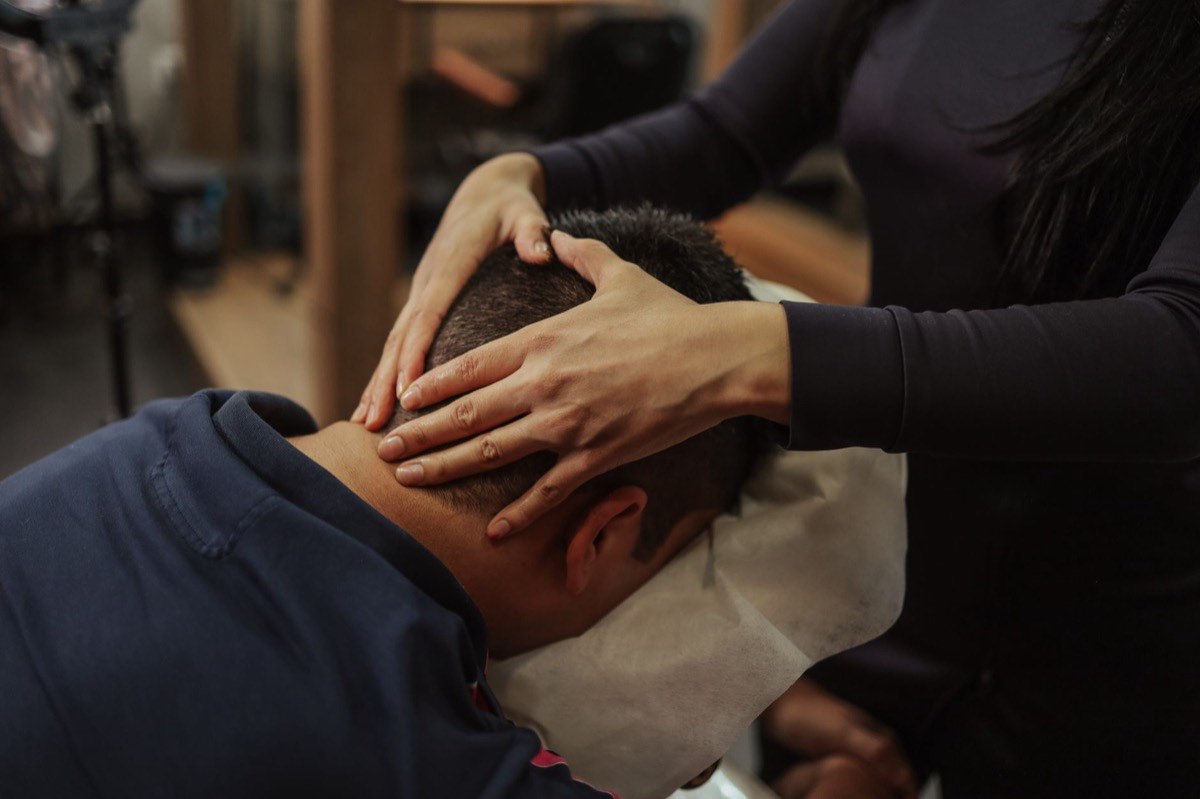
CranioSacral therapy is a hands-on, whole-body technique that uses an extremely light touch to release tension in the connective tissue (fascia) and the membranes surrounding your brain and spinal cord. The Cleveland Clinic describes it simply as “a gentle, hands-on massaging technique” that “focuses on the gentle placement of hands to help release tension in your body’s connective tissue.”
The technique was developed by osteopathic physician Dr. John E. Upledger during his years of clinical research at Michigan State University, and it’s taught today through the Upledger Institute International. What surprises most people is how light the pressure is. According to the Upledger Institute:
Using a soft touch generally no greater than 5 grams, or about the weight of a nickel, practitioners release restrictions in the craniosacral system, which has been shown to improve the functioning of the central nervous system.
Five grams is genuinely the weight of a nickel. If you’re expecting deep-tissue pressure or bone-cracking adjustments, this is the opposite. The light contact is the point: it lets your nervous system down-regulate instead of bracing against force, which is often exactly what an over-guarded, pain-sensitized neck or jaw needs.
How it helps headaches, neck tension, and TMJ
Your skull, jaw, and upper neck are wrapped in a continuous web of fascia and muscle. When that tissue stays tight (from stress, clenching, poor posture, an old whiplash, or hours at a screen) it can pull on the structures that drive headaches and jaw pain. The Cleveland Clinic notes that “CST promotes pain relief from headaches, neck pain and the side effects of cancer treatment,” and lists migraines, neck pain, and temporomandibular joint syndrome (TMJ) among the conditions it may help.
Here’s how that plays out for each of the three areas we treat most:
- Headaches and migraines. Many tension-type and cervicogenic (neck-driven) headaches trace back to tightness where the skull meets the spine. Releasing the fascia and membranes in that region can reduce the pull on pain-sensitive structures and calm an overactive nervous system. The Cleveland Clinic adds that “it’s normal to feel a sense of deep relaxation during craniosacral therapy”, relaxation that directly counters the muscle-guarding behind so many headaches.
- Neck tension. Instead of forcing a stiff neck to move, CST coaxes the surrounding tissue to let go. For people whose necks tense back up within hours of a massage or adjustment, the gentler, nervous-system-first approach often holds longer.
- TMJ and jaw pain. The jaw doesn’t work in isolation, it’s mechanically linked to the upper neck and the base of the skull. By easing restrictions in those connected areas (and around the jaw itself), CST can reduce clenching, clicking, and the dull ache that radiates into the temples and ears.
Is the evidence airtight? Not yet, and we’ll always be straight with you about that. But a 2020 systematic review and meta-analysis of randomized controlled trials, published in BMC Musculoskeletal Disorders, found:
This meta-analysis suggests significant and robust effects of CST on pain and function, which are not exclusively explainable by placebo responses or effects due to non-specific treatment mechanisms.
: Haller et al., BMC Musculoskeletal Disorders (2020)
The same authors are careful to add that more high-quality trials are needed. We treat CST the way we treat every tool in the clinic: as one option that helps many people, used as part of a bigger, individualized plan, not a magic cure.
What a concierge CranioSacral visit looks like
At a typical insurance clinic, you’d be lucky to get a few hands-on minutes before being handed a sheet of exercises. A concierge visit at Healing Hands is built differently. You get a full hour, one-on-one, with the doctor, every time.
A first visit usually looks like this:
- A real conversation. We talk through your headaches, neck history, jaw symptoms, stress, sleep, and what’s already failed to help.
- A whole-body assessment. Because the jaw, neck, and skull are connected, we evaluate how they move together, not just where it hurts.
- Hands-on treatment. CST is light and quiet; most people lie fully clothed on the table and many drift into deep relaxation. We often combine it with other manual therapy (myofascial release, gentle joint mobilization, or dry needling) when it makes sense for you.
- A plan you can keep. You leave with a clear sense of how many visits you’re likely to need and simple self-care to hold your gains.
You can read more on the dedicated CranioSacral therapy service page, and if you’re searching locally, here’s how we serve patients across Reno and the surrounding area.
What it costs, and why cash-pay can still be the smart choice
Healing Hands is an out-of-network, cash-pay practice, which means no insurance company dictates how long your visit is or what we’re “allowed” to treat. A CST session costs more per visit than a typical copay, but that single hour of focused, doctor-delivered care often means fewer total visits than the two-to-three-times-a-week schedule a high-volume clinic prescribes. Pricing is known up front, with no surprise bills, and we can provide a superbill you can submit to your insurer for possible out-of-network reimbursement.
For people who’ve cycled through rushed appointments without lasting relief, that trade (fewer, longer, higher-quality visits) frequently comes out competitive overall, and far less frustrating.
Frequently Asked Questions
Does CranioSacral therapy hurt? No. The pressure is famously light, about five grams, the weight of a nickel. Most people find it deeply relaxing rather than uncomfortable, and you stay fully clothed on the table.
How many sessions will I need? It varies by person and problem. Some people notice relief after the first visit; others need a short series of sessions. Because each visit is a full hour with the doctor, most people need fewer appointments than they expect, and we’ll give you an honest estimate after your first evaluation.
Is CranioSacral therapy backed by science? The research is still developing, and we won’t overstate it. That said, a 2020 meta-analysis in BMC Musculoskeletal Disorders found significant effects of CST on pain and function that weren’t explained by placebo alone, and major sources like the Cleveland Clinic list headaches, neck pain, and TMJ among the conditions it may help. We use it as one part of an individualized plan.
Can CranioSacral therapy help my TMJ or jaw pain? Often, yes. The jaw is mechanically linked to the upper neck and base of the skull, so releasing tension in those connected areas (along with the jaw itself) can reduce clenching, clicking, and the headaches that come with it. The Cleveland Clinic lists TMJ syndrome among conditions CST may address.
Do you take insurance for CranioSacral therapy in Reno? We’re an out-of-network, cash-pay clinic, so you pay directly and we provide a superbill for possible reimbursement from your plan. The upside is a full, unhurried hour of hands-on care with the doctor every visit.
Ready to feel the difference?
If headaches, neck tension, or TMJ have been running your life, a gentle, whole-body approach may be exactly what you haven’t tried yet. To ask questions or book a CranioSacral session in Reno, reach out through our contact page or call or text (775) 452-4471. We’re glad to help you decide whether it’s the right fit.
Reviewed by Dr. Jamie Pribyl, PT, DPT, MTC.
Sources
- Cleveland Clinic: Craniosacral Therapy: What Is It, Benefits & Risks: https://my.clevelandclinic.org/health/treatments/17677-craniosacral-therapy
- Upledger Institute International: CranioSacral Therapy: https://www.upledger.com/therapies/index.php
- Haller H, Lauche R, Sundberg T, Dobos G, Cramer H. “Craniosacral therapy for chronic pain: a systematic review and meta-analysis of randomized controlled trials.” BMC Musculoskeletal Disorders (2020): https://pmc.ncbi.nlm.nih.gov/articles/PMC6937867/
- National Center for Complementary and Integrative Health (NCCIH), Massage Therapy: What You Need To Know: https://www.nccih.nih.gov/health/massage-therapy-what-you-need-to-know