TMJ Relief Without Surgery in Reno: Manual and CranioSacral Therapy for Jaw Pain
A Reno doctor of PT explains how manual therapy, CranioSacral therapy, and dry needling relieve TMJ and jaw pain without surgery.
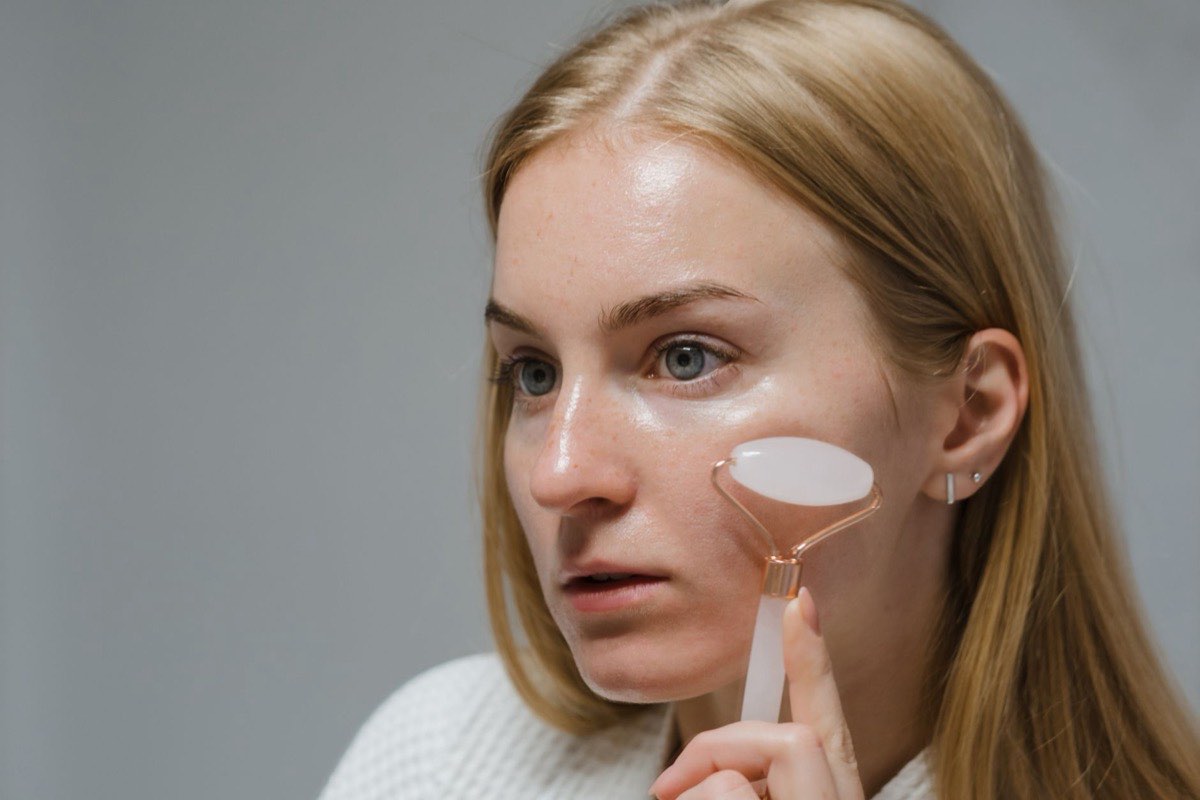
If your jaw clicks when you open wide, aches by mid-afternoon, or locks up just enough to make you nervous, you already know how much a temporomandibular joint (TMJ) problem can quietly run your day. Add the headaches, ear fullness, and neck tightness, and it starts to feel like the whole side of your head is involved, because it usually is. Most people in Reno who land here have already tried a night guard, ibuprofen, and a few rushed massages, and they’re wondering the same thing: Do I really need surgery to fix this?
For the vast majority of people, the answer is no. The research is clear that jaw pain responds best to conservative, hands-on care, not the operating room. At Healing Hands Physical Therapy and Bodywork in Reno, treating TMJ without surgery is one of the things we do most, using manual therapy, CranioSacral therapy, and dry needling. Here’s exactly how those work and what a concierge visit looks like.
Why “without surgery” is the right starting point
The most important thing to understand about TMJ pain is that it’s rarely a structural emergency. The National Institute of Dental and Craniofacial Research (NIDCR), the federal agency that funds TMJ research, is blunt:
The good news is that for many people, pain in the TMJ does not signal a serious problem and signs and symptoms will go away without treatment.
, National Institute of Dental and Craniofacial Research, “Less Is Often Best In Treating TMD”
That same NIDCR fact sheet warns patients away from irreversible procedures as a first step. The Cleveland Clinic echoes the conservative philosophy, treating surgery as a last resort: “Most people start with noninvasive options.”
In plain English: jaw pain is usually a soft-tissue and movement problem (tight muscles, restricted fascia, and a neck that’s pulling on everything) not a bone that needs cutting. That’s exactly the kind of problem hands-on physical therapy is built to solve.
How manual therapy releases the jaw
Most jaw pain isn’t really “in” the joint. It’s in the muscles that move it, the masseter and temporalis you clench with, the pterygoids deep behind the jaw, and the suboccipital muscles at the base of your skull that get recruited every time you grind at night. When those tissues stay short and tense, they pull the jaw out of its smooth glide, producing the click, the limited opening, and the radiating headache.
Manual therapy is direct, skilled hands-on work to change that. In a TMJ session that means soft-tissue release of the chewing muscles (including gentle work inside the mouth with a gloved hand to reach muscles you can’t get from the outside) and joint mobilization to restore the jaw’s normal motion. The American Physical Therapy Association’s patient guide describes that work plainly:
Your physical therapist will address any stiffness in your neck and jaw to help restore movement of your TMJ.
That phrase (“your neck and jaw”) is the part most people miss. The upper neck and the jaw share nerves and muscles, so a stiff, forward-head posture from a day at the screen feeds straight into jaw pain and headaches. That’s why thorough TMJ treatment always includes the neck and upper back, not just the jaw. ChoosePT puts the goal simply: “Your physical therapist can help you decrease your pain and restore jaw function.”
How CranioSacral therapy calms a clenched jaw
If your jaw pain is driven by clenching, stress, or an old whiplash (and a lot of it is) forceful pressure can actually make a guarded jaw brace harder. That’s where CranioSacral therapy comes in. It’s an extremely light-touch technique (the pressure is famously about the weight of a nickel) that works with the fascia and the membranes around the skull, jaw, and upper neck rather than against them.
For TMJ, that gentleness is the point. The skull, jaw, and neck are wrapped in one continuous web of connective tissue, and when it’s tight, it tugs on the structures that drive headaches and jaw pain. By releasing those restrictions without triggering a protective clench, CranioSacral therapy lets an over-guarded nervous system down-regulate, often exactly what a clenched, headache-prone jaw needs. We frequently pair it with manual therapy: hands-on release to change the tissue, CST to keep it from tightening back up.
Where dry needling fits in
For some people, the chewing and neck muscles develop stubborn trigger points, tight, irritable knots that refer pain into the jaw, temple, or ear and won’t let go with stretching alone. Dry needling uses a thin, sterile monofilament needle to reach those knots directly, prompting them to release and lowering the muscle’s resting tension. It’s a precise tool, not a default, we use it when the exam shows trigger points are a real driver, layered on top of manual therapy and a home program.
What a concierge visit actually looks like
Here’s where a cash-pay concierge practice is genuinely different from the in-and-out clinic. Most insurance-based TMJ care means a brief evaluation, then 15 minutes with a tech while the therapist juggles other patients. Jaw pain (with its tangle of muscle, joint, neck, and stress factors) gets short-changed in that model.
At Healing Hands, every appointment is a full hour, one-on-one, with Dr. Jamie Pribyl: a doctor of physical therapy with manual therapy certification (PT, DPT, MTC). A typical TMJ visit looks like:
- A real evaluation of your jaw, neck, posture, and clenching patterns, finding why your jaw hurts, not just where
- Hands-on treatment that hour: soft-tissue and joint work on the jaw and neck, CranioSacral therapy, and dry needling when indicated
- A short, specific home program of jaw and neck exercises
Because it’s right here in Reno (and because care can come to you) you skip the waiting room entirely. The same doctor sees you every visit, so nothing gets re-explained and progress doesn’t stall.
The cash-pay value: fewer visits, no runaround
People hear “cash-pay” and assume it costs more. For TMJ, it usually costs less over the course of getting better. Insurance-driven clinics often schedule two or three short visits a week for weeks, because that’s how the billing works. A focused, hour-long concierge visit does in one session what a fragmented clinic spreads across several, meaning fewer total appointments, no surprise bills, and no prior-authorization delays.
You also get the one thing that actually moves jaw pain: undivided, skilled, hands-on time. To calm a clenched, pain-sensitized jaw, an unhurried hour with an expert beats a dozen rushed ones.
Frequently Asked Questions
Can physical therapy really fix TMJ without surgery?
For most people, yes. Federal health agencies and the APTA agree that conservative, reversible care should come first, with surgery as a last resort. Manual therapy, CranioSacral therapy, and dry needling address the muscle, joint, and nervous-system drivers of jaw pain directly. We’ll be honest with you if your case is one of the rare ones that needs a specialist referral.
How many visits will I need?
It varies with your symptoms, but concierge care is designed to need fewer visits than a typical clinic. Because each appointment is a full hands-on hour with the same doctor, many people feel meaningful change within the first few sessions.
Is dry needling the same as acupuncture?
No. Dry needling is a Western, anatomy-based technique that targets specific muscle trigger points, performed by a licensed physical therapist. It isn’t based on acupuncture’s meridian theory.
Do you treat TMJ-related headaches and neck pain too?
Yes. Jaw, neck, and headache pain share the same muscles and nerves, so we treat them together rather than in isolation, a big part of why a jaw-only approach so often falls short.
Will my dental night guard still help?
A night guard protects your teeth from grinding, but it doesn’t release the tight muscles and joint restriction causing your pain. The two are complementary: PT addresses the cause, the guard manages one symptom.
Ready to get your jaw back?
You don’t have to live with a jaw that clicks, aches, and triggers headaches, and you almost certainly don’t need surgery to fix it. For TMJ treatment without surgery in Reno, an hour of focused, hands-on care with a doctor of PT is the right first step.
Call Healing Hands Physical Therapy and Bodywork at (775) 452-4471 to book a concierge TMJ evaluation with Dr. Jamie Pribyl, or learn more about our manual therapy and CranioSacral therapy services and the Reno area we serve.
Sources
- National Institute of Dental and Craniofacial Research (NIDCR), “Less Is Often Best In Treating TMD”, https://www.nidcr.nih.gov/health-info/publications/less-often-best-treating-tmd
- American Physical Therapy Association (ChoosePT), “Physical Therapy Guide to Temporomandibular Disorder”, https://www.choosept.com/guide/physical-therapy-guide-temporomandibular-joint-disorder
- Cleveland Clinic, “Temporomandibular Disorders (TMD): Overview”, https://my.clevelandclinic.org/health/diseases/15066-temporomandibular-disorders-tmd-overview