Physical Therapy for Tension Headaches in Reno: Treating the Neck Behind the Pain
Cash-pay, hands-on PT for tension headaches in Reno. How craniosacral therapy, manual therapy & dry needling calm the neck muscles driving your head pain.
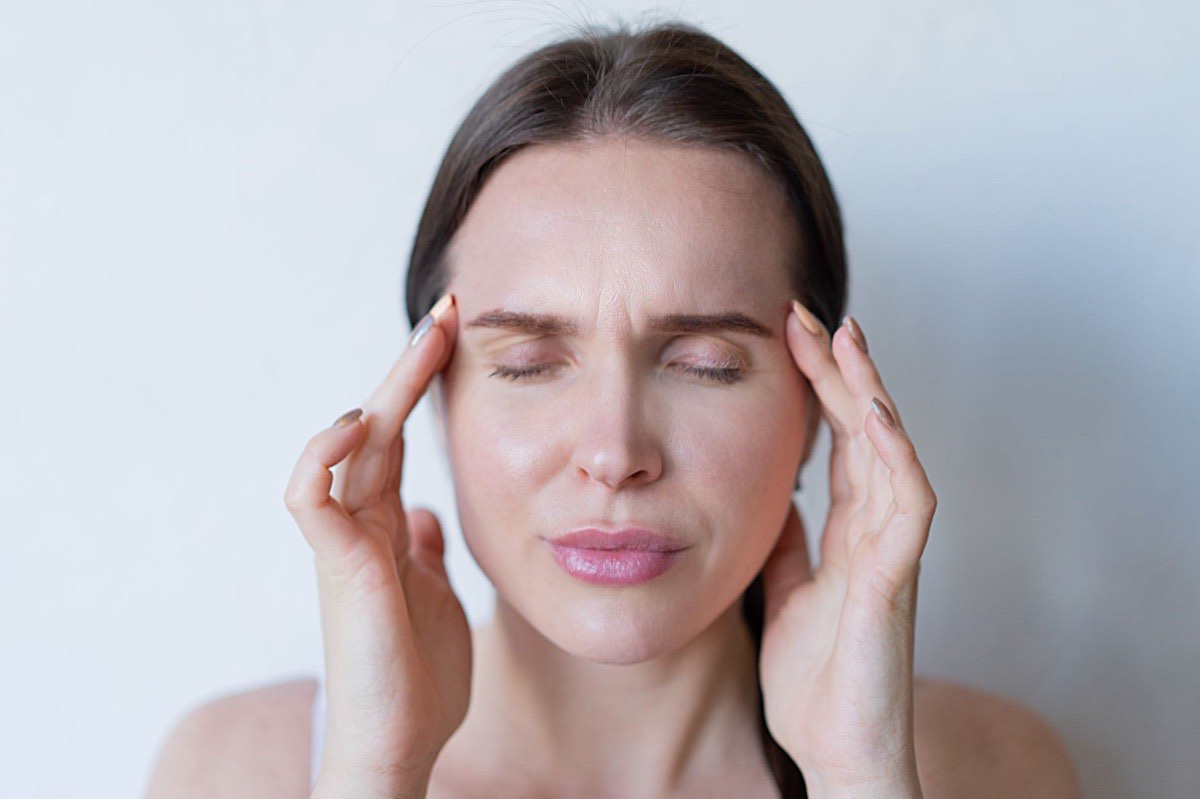
It usually starts at the base of your skull. A dull band of pressure spreads up over the top of your head and settles behind your eyes, like someone is slowly tightening a cap two sizes too small. By the end of a long workday at the desk, or after a tense week, it’s there again. You reach for ibuprofen, dim the lights, maybe lie down. It fades. And then a few days later it’s back.
If that’s your pattern, there’s a good chance the headache isn’t really starting in your head at all. It’s starting in your neck.
Tension-type headaches are the most common headaches adults get, and for many people the real driver is tight, irritated muscles and stiff joints in the neck and upper back referring pain up into the skull. The frustrating part is that painkillers chase the symptom while the source (the knotted muscles and restricted cervical joints) keeps quietly reloading. That’s exactly the gap hands-on physical therapy is built to close. Here’s how we treat headaches at Healing Hands in Reno, and why a concierge, cash-pay visit tends to get you out of the cycle faster.
Why your neck is behind the headache
Most tension headaches are a stack of problems feeding each other. Joints in the cervical spine lose a little mobility. The muscles around them (the suboccipitals at the base of the skull, the upper trapezius, the levator scapulae) tighten and develop myofascial trigger points, those tender knots that refer pain in predictable patterns up into the head. Hours of forward-head posture at a screen or a steering wheel load everything even more. Each piece reinforces the next, which is why a new pillow or a stretch off the internet rarely breaks the cycle on its own.
Cleveland Clinic describes this muscle connection directly:
“Some believe tension headaches start when muscles between your head and neck knot up, eventually tightening your scalp muscles.”
: Cleveland Clinic, Tension Headaches
The good news: muscles and joints respond extremely well to skilled hands-on work. The American Physical Therapy Association is specific about what that work looks like for this exact type of headache:
“Physical therapists use a specialized technique called manual therapy to increase movement and relieve pain and to stretch the muscles of the back of the neck.”
: American Physical Therapy Association, Physical Therapy Guide to Headaches
How we treat tension headaches, technique by technique
At Healing Hands, your doctor of physical therapy combines several complementary tools, chosen based on what your neck actually needs that day, not a generic protocol.
CranioSacral Therapy
Tension headaches often involve guarding in the deep tissues around the base of the skull and the upper neck, the exact area where your head sits on your spine. CranioSacral Therapy uses very light, sustained holds (about the weight of a nickel) to release restrictions in this region and calm an overactive nervous system. For headache patients, this gentle work is especially valuable because the suboccipital area is often too irritated for aggressive pressure. Many people feel the band of pressure behind their eyes soften during the session itself. It’s a low-force, deeply relaxing approach, a good fit when your system is already wound tight.
Manual therapy and bodywork
This is the workhorse. Your therapist uses hands-on joint mobilization to restore motion to stiff cervical segments, then soft-tissue and trigger-point release to unwind the upper trapezius, levator scapulae, and suboccipital muscles that refer pain into your head. Because tension headaches frequently involve the jaw, we also assess and treat the TMJ when it’s part of the picture, releasing the masseter and temporalis and checking how your bite, neck, and posture interact. Restoring real movement to the joints and resetting muscle tone is what lets your neck hold a better position on its own, so the headaches stop coming back as often.
Dry Needling
When stubborn trigger points are driving the pain, dry needling reaches them in a way hands alone sometimes can’t. The APTA describes it plainly:
“The physical therapist inserts a ‘dry’ needle, one without medication or injection, into areas of the muscle.”
: American Physical Therapy Association, Dry Needling by a Physical Therapist: What You Should Know
A thin needle into an active trigger point can produce a quick twitch response that releases the knot, which then drops muscle tension and pain. This isn’t acupuncture, it’s based on Western anatomy and trigger-point science. The research for headaches specifically is encouraging: a randomized trial published in Medicine (Baltimore) concluded that “trigger point dry needling in patients with chronic tension-type headache is effective and safe in reducing headache intensity, frequency and duration, and increasing health-related quality of life.” We use it selectively, layered with manual therapy, when it’s the right tool for your case.
What a concierge visit at Healing Hands actually looks like
Walk into a typical insurance-based clinic with a headache and you’ll often get 15-20 rushed minutes, shared with two or three other patients, mostly handed off to a tech and a sheet of exercises. That model is the opposite of what tension headaches need.
At Healing Hands, every visit is one full hour, one-on-one, with Dr. Jamie Pribyl: a doctor of physical therapy with advanced manual therapy certification (MTC). There’s time to actually assess your neck, jaw, posture, and breathing, do the hands-on work that moves the needle, and teach you the specific resets that keep the relief. Because it’s the same therapist every visit, nothing gets lost in handoffs, and your plan adapts as you improve. The setting is private, calm, and unhurried, which matters a lot when stress is part of what’s triggering your headaches in the first place.
You’ll typically leave the first visit with relief and a short, doable home routine: a couple of mobility drills, posture cues for your desk, and breathing work to keep the muscles from re-tightening.
The cash-pay value: fewer visits, real results
Healing Hands is a cash-pay, out-of-network practice, and for headache care that’s an advantage, not a drawback. Insurance plans push high-volume, low-time visits because that’s what gets reimbursed, which is exactly why so many people bounce in and out of PT without ever resolving the problem.
By stepping outside that system, every minute of your hour goes to skilled, hands-on treatment from a doctor of PT. Patients usually need fewer total visits to get lasting results, which often makes the all-in cost competitive with (or better than) a long string of copays and rushed appointments. You also get complete transparency: clear per-visit pricing, no surprise bills, no fighting with a claims department. We’re happy to provide a superbill you can submit to your insurer for possible out-of-network reimbursement.
If tension headaches keep stealing your afternoons, you don’t have to keep managing them with pills. Let’s find and treat the source.
Ready to get out of the cycle? Call Healing Hands at (775) 452-4471 to book your one-on-one evaluation in Reno.
Frequently Asked Questions
Can physical therapy really help headaches, or just neck pain? Yes, when headaches are tension-type or cervicogenic (coming from the neck), they respond well to PT. By restoring neck mobility, releasing trigger points, and improving posture, hands-on physical therapy can reduce how often, how long, and how intensely your headaches show up.
How is dry needling different from acupuncture? Dry needling is based on Western anatomy and trigger-point science, targeting specific knotted muscles to release them and lower pain. Acupuncture follows traditional Chinese medicine and energy meridians. At Healing Hands, dry needling is performed by a licensed doctor of physical therapy as one tool within a broader treatment plan.
Is CranioSacral Therapy too gentle to do anything? Its light touch is the point. The suboccipital region at the base of your skull is often too irritated for heavy pressure, and CranioSacral Therapy releases those restrictions and calms the nervous system without provoking it, which is why many headache patients respond to it especially well.
How many visits will I need? It depends on how long you’ve had headaches and what’s driving them, but because every visit is a full hour of one-on-one, hands-on care, most patients need fewer visits than they’d expect from a traditional clinic. You’ll have a clearer estimate after your first evaluation.
Do you take my insurance? Healing Hands is cash-pay and out-of-network. You’ll get transparent per-visit pricing and a superbill to submit for possible out-of-network reimbursement. Many patients find the total cost competitive once you account for needing fewer visits.
Sources
- American Physical Therapy Association: Physical Therapy Guide to Headaches: https://www.choosept.com/guide/physical-therapy-guide-headaches
- American Physical Therapy Association: Dry Needling by a Physical Therapist: What You Should Know: https://www.choosept.com/health-tips/dry-needling-physical-therapist-what-you-should-know
- Cleveland Clinic: Tension Headaches: https://my.clevelandclinic.org/health/diseases/8257-tension-type-headaches
- Gildir S, Tüzün EH, Eroğlu G, Eker L. A randomized trial of trigger point dry needling versus sham needling for chronic tension-type headache. Medicine (Baltimore). 2019;98(8):e14520: https://pmc.ncbi.nlm.nih.gov/articles/PMC6408118/