Physical Therapy for Sports Injuries in Reno-Tahoe: Get Back in the Game
Sidelined by a sports injury in Reno? Concierge PT using StemWave, dry needling, cupping, and hands-on care to heal tendons and strains and return to play.
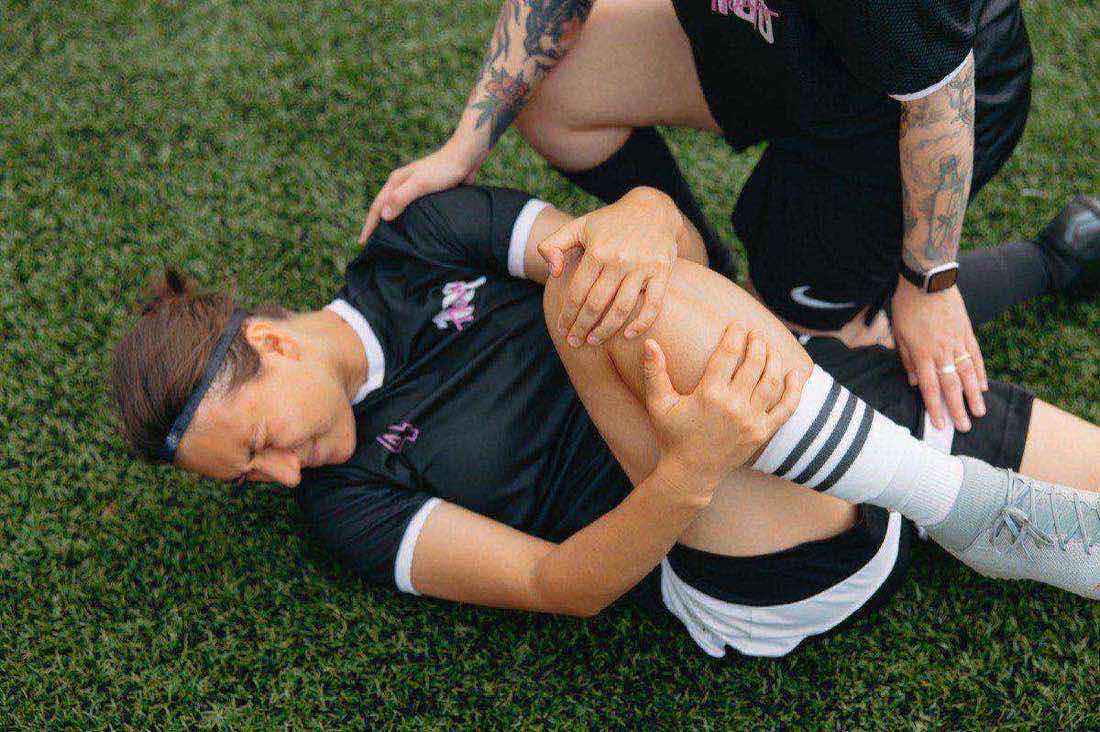
You went up for a rebound, planted hard on the trail, or pushed one more lap at the lake, and now something doesn’t feel right. Maybe it’s a sharp pull in your hamstring, a deep ache in your Achilles, or an elbow and shoulder that bark every time you load them. If you’re an active person in Reno-Tahoe, a sports injury isn’t just an inconvenience. It’s the thing standing between you and the next ski day, race, league night, or morning ride.
At Healing Hands Physical Therapy and Bodywork in Reno, getting you back in the game is the whole point. We use a focused, hands-on, one-on-one approach (combining StemWave shockwave therapy, manual therapy and bodywork, dry needling, and cupping) to help athletes recover from sports injuries, tendinopathy, and muscle strains, and return to the activities they love. Here’s how it works and what a concierge visit actually looks like.
What’s actually wrong: strains, tendinopathy, and overuse
Most sports injuries we see fall into a few buckets, and naming yours matters because each one heals differently.
A muscle strain is what most people mean when they say they “pulled” something. The American Academy of Orthopaedic Surgeons puts it simply:
“A strain is an injury to a muscle and/or tendon.”
Strains range from a mild overstretch to a partial or complete tear, and hamstrings, calves, quads, and groin muscles are the usual suspects for runners, skiers, and field-sport athletes.
Then there’s tendinopathy: the stubborn one. This is the deep, lingering tendon pain in your Achilles, patellar tendon (jumper’s knee), elbow, or shoulder that doesn’t quit after a week of rest. The reason it lingers is that it’s often not simple inflammation. As OrthoInfo describes it, tendinopathy is “a condition in which the tendon develops microscopic degeneration (wear) as a result of chronic damage over time.” In other words, the tendon is breaking down faster than your body can rebuild it.
A lot of sports injuries are overuse injuries: and Reno-Tahoe athletes are especially prone to them because we tend to go hard the moment conditions are good. AAOS explains it this way:
“Overuse injuries occur gradually over time when an athletic or other activity is repeated so often that the soft tissues do not have enough time to recover before they are put under stress again.”
That’s the trap of a great snow year or a perfect riding season: jumping from zero to sixty without giving tissue time to adapt.
How a sports physical therapist gets you back
Rest and ibuprofen calm symptoms, but they don’t rebuild the tissue or prepare it for the loads your sport demands. That’s the job of a sports physical therapist. According to the American Physical Therapy Association’s ChoosePT resource:
“They help athletes return to sports after an injury or surgery and provide exercises and education to help them prevent future injuries and reduce the risk of reinjury.”
, American Physical Therapy Association, “What Is Sports Physical Therapy?” (ChoosePT)
That last part (prevent future injuries and reduce the risk of reinjury) is where generic care usually falls short. Returning you to the field is only half the work. The other half is making sure you don’t end up right back on the sideline.
Here’s how we put that into practice at Healing Hands, technique by technique.
StemWave shockwave therapy for stubborn tendons
For tendinopathy (Achilles, patellar, hip, elbow, shoulder) we reach for StemWave, a form of extracorporeal shockwave therapy (ESWT). It delivers focused acoustic pressure waves into the injured tendon through the skin. No needles, no incision, no medication.
The goal is counterintuitive: instead of calming a degenerated tendon, the waves are meant to restart its dormant healing response. The evidence for pairing it with rehab is encouraging. As OrthoInfo notes, “Recent studies have shown improvement in pain and function with ESWT, especially when combined with other nonsurgical treatments such as eccentric exercises,” and adds that “One benefit of ESWT is that it is low risk and has few to no complications.” That’s exactly how we use it, StemWave plus progressive loading, not StemWave alone.
Manual therapy and bodywork to restore motion
A sports injury rarely stays put. A grumpy Achilles changes how you load your calf and knee; a strained hamstring stiffens your hip. Manual therapy and bodywork (hands-on joint mobilization, soft-tissue work, and targeted release) restores the motion and tissue quality around the injury so you can move and load it normally again. This is the heart of what we do, and it’s where one-on-one, hands-on time pays off.
Dry needling to calm overactive muscle
When a strain leaves behind tight, guarded muscle and trigger points (common after a calf, hamstring, or shoulder injury) dry needling uses thin filament needles placed directly into the muscle to release tension and improve how it fires. It’s not acupuncture; it’s a targeted tool to quiet protective muscle guarding so you can strengthen without fighting your own tissue.
Cupping to free up fascia
Cupping uses gentle suction to lift and decompress the skin and underlying fascia, improving local circulation and mobility. For athletes, we use it to address tight, restricted tissue around an old strain or a chronically loaded area, freeing up movement so your rehab exercises do their job.
The point isn’t to throw every tool at you. It’s to match the right combination to your injury and stage of healing.
What a concierge visit at Healing Hands looks like
If your past PT experience meant 15 rushed minutes split between three patients and a tech, this is different.
At Healing Hands, every visit is one-on-one with Dr. Jamie Pribyl, PT, DPT, MTC: a doctor of physical therapy with advanced manual therapy certification (MTC). You get a full session of her hands and her attention, not a handoff. As a concierge practice, we can also come to you, so a Tahoe athlete recovering from a sports injury doesn’t have to drive over the hill mid-rehab. We serve Reno, Sparks, Carson City, Truckee, and the Lake Tahoe area.
A typical plan starts with a thorough evaluation, what got injured, why it happened, and what your sport actually demands. From there, you get a clear plan that layers hands-on treatment and the right tools (StemWave, dry needling, cupping) with sport-specific strengthening and a return-to-play progression. You leave each visit knowing exactly what you’re doing and why.
The cash-pay advantage for athletes
Healing Hands is a cash-pay practice, and for someone trying to get back to their sport, that’s a feature, not a drawback. There’s no insurance company deciding you’ve had “enough” visits, no pre-authorization delays while your injury stiffens, and no surprise bills. Your plan of care is driven by your goals and your tissue’s actual healing, not a claims algorithm.
Because every visit is direct, focused, hands-on time, most athletes need fewer total visits than the high-volume, in-and-out clinic model. You’re paying for genuine results and your therapist’s full attention, which is exactly what a quality recovery and a confident return to sport require.
Frequently Asked Questions
How soon after a sports injury should I start physical therapy?
Sooner is usually better. Early, guided care helps you protect the injury, keep healthy tissue moving, and avoid the compensations that turn a small problem into a lingering one. If you’ve had pain or weakness for more than a few days (or it’s keeping you out of your sport) it’s worth an evaluation. For serious trauma (a pop with rapid swelling, inability to bear weight, or obvious deformity), see a physician first.
Can StemWave really help a chronic tendon injury?
For stubborn tendinopathy, it can be a valuable part of the plan. ESWT is designed to stimulate a dormant tendon’s healing response, and OrthoInfo notes that studies show improvement in pain and function, especially when shockwave is combined with loading exercises, which is exactly how we use it. It works best as one piece of a complete rehab plan, not a stand-alone fix.
Do you treat athletes who live near Lake Tahoe?
Yes. As a concierge practice, Dr. Pribyl travels to clients across the region, including the Lake Tahoe, Incline Village, and Truckee areas, so you can keep rehabbing a sports injury without commuting to a clinic in Reno every visit.
How many visits will I need to get back to my sport?
It depends on the injury, how long you’ve had it, and your sport’s demands. Because every visit is dedicated one-on-one time, athletes often progress in fewer total sessions than in a high-volume clinic. After your evaluation, you’ll get a realistic plan and timeline tailored to your goals.
Is physical therapy only about recovery, or can it prevent reinjury too?
Both. As the APTA notes, sports physical therapists help athletes return to play and provide exercises and education to prevent future injuries and reduce the risk of reinjury. A good plan doesn’t end when the pain stops, it makes your tissue more resilient for the next season.
Get back in the game
A sports injury doesn’t have to mean a lost season. With the right combination of StemWave, hands-on manual therapy, dry needling, and cupping (delivered one-on-one) you can heal the actual tissue and return to your sport with confidence.
Call Healing Hands Physical Therapy and Bodywork at (775) 452-4471 to schedule your evaluation in the Reno-Tahoe area. Let’s get you back in the game.