Physical Therapy for Low Back Pain in Reno: Lasting Relief Without Pills
Chronic low back pain in Reno? One-on-one physical therapy with manual therapy, muscle energy technique, and dry needling, relief without pills.
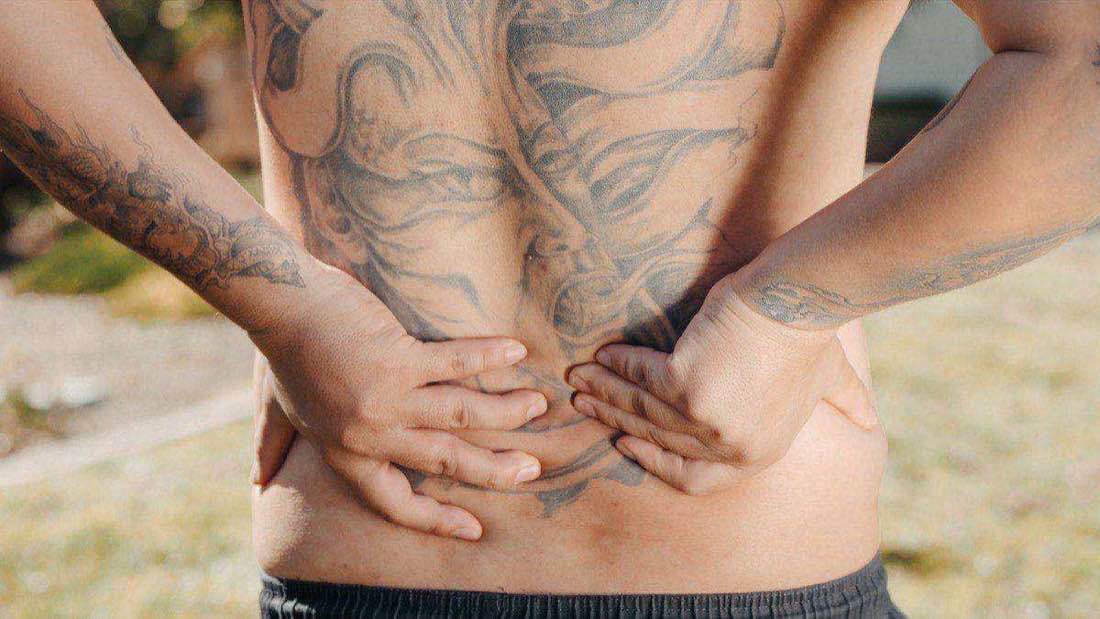
It’s the pain that follows you everywhere. It’s there when you swing your legs out of bed in the morning, when you load groceries into the car, when you sit through a meeting and have to shift in your chair every few minutes. Maybe it started with a single bad lift and never fully went away. Maybe it just crept in over the years until “my back hurts” became part of your daily vocabulary. If you’ve been searching for physical therapy for low back pain in Reno because the pills aren’t fixing it and you’re tired of just managing the ache, you’re in exactly the right place.
Low back pain is one of the most common reasons people seek care, and one of the most over-treated with the wrong tools. The American Physical Therapy Association’s ChoosePT guide notes that “at any given time, about 25% of people in the United States report having had low back pain within the past three months.” You are far from alone. The encouraging part is that for the overwhelming majority of people, the most effective treatment isn’t a prescription bottle or an operating room. It’s skilled, hands-on physical therapy.
Why pills are the wrong first move for your back
For years, the default for back pain was rest, anti-inflammatories, and (too often) opioids. The science has since moved decisively in the other direction. In its landmark clinical practice guideline, the American College of Physicians recommended that doctors and patients reach for non-drug treatment first. As then-ACP President Nitin Damle, MD, put it:
“Physicians should consider opioids as a last option for treatment and only in patients who have failed other therapies.”
, American College of Physicians, “ACP issues guideline for treating nonradicular low back pain”
The same guideline advises that “physicians and patients should treat acute or subacute low back pain with non-drug therapies such as superficial heat, massage, acupuncture, or spinal manipulation” (hands-on care, in other words) before medication is even considered. For chronic low back pain, the list of recommended first-line, non-drug options grows to include exercise, multidisciplinary rehabilitation, and spinal manipulation.
This is the whole premise of how I practice. Medication can mask a back, but it doesn’t change why it hurts. To get lasting relief, you have to address the stiff joints, the locked-up muscles, and the movement patterns that keep re-irritating your spine. That’s hands-on work, and it’s exactly what a physical therapist is trained to do.
How hands-on physical therapy actually relieves low back pain
At Healing Hands Physical Therapy and Bodywork, I’m Dr. Jamie Pribyl (PT, DPT, MTC), and I treat low back pain with my hands, one patient at a time. ChoosePT describes the physical therapist’s role plainly: we use “manual therapy, including spinal manipulation, using their skilled hands to improve the mobility of joints and soft tissues.” Here are the three techniques I rely on most for the low back, and exactly how each one helps.
Manual therapy and bodywork, restoring movement to a stiff, guarded back
When your back hurts, the surrounding muscles clamp down to protect it, and the small joints of the lumbar spine stop moving the way they should. That guarding feels protective, but over time it becomes the problem: a stiff, braced low back keeps feeding the pain cycle. Hands-on manual therapy (joint mobilization of the lumbar spine and pelvis, plus soft-tissue and myofascial work through the deep spinal muscles, glutes, and hips) directly restores that lost motion and releases the muscle layers that have splinted around the injury. ChoosePT notes that by improving the mobility of joints and soft tissues, physical therapists “in many cases… help people avoid expensive surgery and the risks and side effects of prescribed medications.” When your back can move freely again, it stops bracing, and the chronic ache starts to quiet down.
Muscle energy technique, leveling the pelvis and resetting alignment
A huge amount of stubborn low back pain traces back to a pelvis and lumbar spine that have drifted out of their normal alignment, one side of the pelvis rotated, a segment stuck, the muscles pulling unevenly. Muscle Energy Technique (MET) corrects this gently and precisely. I have you perform a light, controlled contraction of a specific muscle against my resistance; that contraction is then used to coax the joint and muscle back toward their normal position and length. There’s no forceful cracking or thrusting, it’s your own muscles doing the work. For chronic low back pain that flares whenever you sit too long or twist the wrong way, MET re-levels the foundation so your spine isn’t fighting a crooked base all day. It pairs seamlessly with the manual therapy above: I free up the joint, then use MET to teach it where it should sit.
Dry needling, switching off the trigger points that keep your back aching
When low back muscles stay overworked and guarded for months, they develop trigger points, tight, irritable knots that ache locally and refer pain across the back and sometimes into the buttock or leg. Dry needling places a thin monofilament needle directly into those knots to release them and turn down the pain signal at its source. This is well-studied for exactly this problem. A randomized controlled trial of people with discogenic low-back pain (indexed on the NIH’s PubMed Central) found that adding dry needling to standard physical therapy produced significantly greater improvement than standard therapy alone, and that “the change continued during the follow-up period,” two months after the last treatment. For a back that’s been “tight and angry” for years, needling the right muscle can finally break the holding pattern that stretching alone never reaches.
What a concierge low back pain visit looks like
If your only experience with physical therapy is the insurance-clinic model (a quick once-over, then handed off to an aide while the therapist juggles three other patients) Healing Hands will feel like a different profession entirely. Every visit is a full 60 minutes, one-on-one, with me, every time. No aides, no machines parked on your back while a timer runs, no being rushed out the door.
A first visit starts with a real assessment: I find where your pain is actually coming from (the joint, the disc, the muscle, the way you move) instead of guessing. Then you get hands-on treatment that same day: manual therapy, MET, and dry needling as your exam warrants. You leave with a short, specific home program built around your actual life in Reno, not a generic photocopied exercise sheet. And because I’m a small, by-appointment practice, you see the same doctor each visit, someone who remembers what changed last week and adjusts the plan in real time.
The cash-pay value, and why it works in your favor
Healing Hands is a cash-pay, out-of-network practice, and for low back pain that model genuinely benefits you. You’re never capped at the 15 rushed minutes an insurance contract dictates, you get the full skilled hour, every session. There are no surprise “explanation of benefits” bills months later, no fighting for visit authorizations, and no being told that the technique helping you isn’t “covered.”
There’s also a real cost argument here. The APTA reviewed the economics and reports that “choosing physical therapy early outperforms usual primary care for treating acute low back pain”, and that doing so saved patients an estimated $4,160 versus usual care. Because each of my visits is longer and more hands-on, most patients reach meaningful relief in fewer total visits than a traditional clinic requires. You know the price up front, and every minute goes toward actually getting your back better.
Ready to stop managing the ache and start fixing it? Call Healing Hands Physical Therapy and Bodywork in Reno at (775) 452-4471 to schedule a one-on-one low back pain evaluation with Dr. Jamie Pribyl.
Frequently Asked Questions
Do I need a referral or insurance to be seen?
No. Nevada allows direct access to physical therapy, and ChoosePT confirms you can contact a physical therapist directly for an evaluation. As a cash-pay practice, you don’t need to be in-network either, you’ll know the cost up front, with no surprise insurance bills.
Can physical therapy really help if I’ve had low back pain for years?
Yes. Chronic low back pain is squarely in scope for hands-on PT, the American College of Physicians lists non-drug options like exercise and spinal manipulation as first-line treatment for chronic cases. Long-standing pain often comes from stiff joints and entrenched muscle trigger points, which is exactly what manual therapy, muscle energy technique, and dry needling are built to address.
Is dry needling painful, and is it safe for my back?
Most patients feel a brief muscle twitch or dull ache rather than sharp pain. Dry needling targets the irritable muscle trigger points driving your back pain, and research on low-back pain has found that adding it to standard therapy improves results. It’s performed by your licensed doctor of physical therapy as part of your hands-on session.
Will I have to keep coming forever?
No. The goal is to resolve the problem and give you the tools to keep it resolved. Because visits are a full hands-on hour, most people reach lasting relief in fewer total sessions than a rushed insurance clinic requires, then transition to a simple home program.
How soon will I feel better?
Many people notice meaningful change within the first few visits. The exact timeline depends on the cause and how long you’ve had the pain, but because each session is a focused, hands-on hour, you tend to make faster progress than diluted, machine-based care allows.
Sources
- ChoosePT / American Physical Therapy Association: Physical Therapy Guide to Low Back Pain
- ChoosePT / American Physical Therapy Association: Choosing Physical Therapy for Low Back Pain Outperforms Usual Primary Care and Is Cost-Effective
- American College of Physicians: ACP issues guideline for treating nonradicular low back pain
- NIH PubMed Central: The effect of dry needling on the radiating pain in subjects with discogenic low-back pain: A randomized control trial