Physical Therapy for Knee Pain in Reno: Find the Real Cause and Fix It
Knee pain in Reno? Hands-on, one-on-one physical therapy using manual therapy, dry needling, and cupping to find the real cause and fix it.
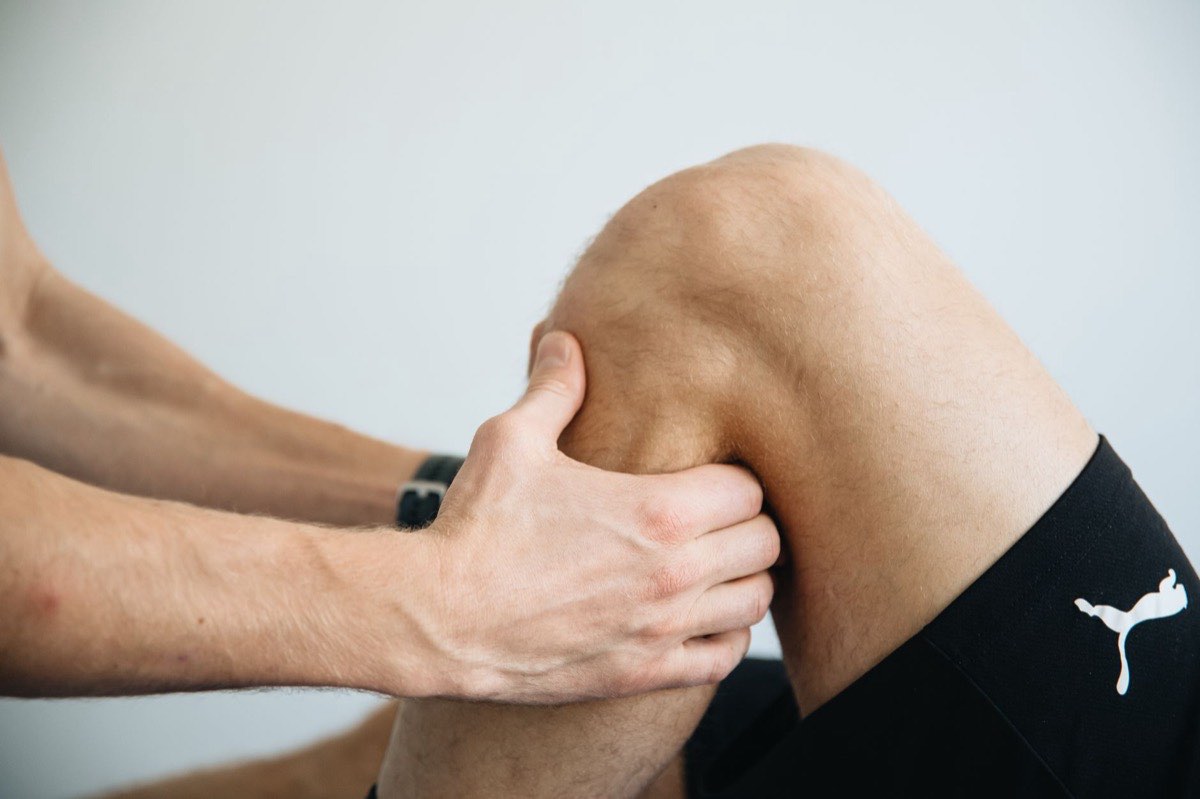
It shows up when you take the stairs, push off on a hike up Peavine, or stand up after sitting through a movie, a deep ache under or around your kneecap that just won’t quit. Maybe it flares when you squat, maybe it grinds when you run, maybe it swells after a long day. You’ve tried rest, ice, and a brace, and it keeps coming back. If you’re searching for physical therapy for knee pain in Reno, the first thing you should know is this: knee pain almost always has a findable, fixable cause, and chasing the symptom with rest alone rarely solves it.
The most common type of knee pain isn’t a torn anything. It’s patellofemoral pain: pain at the front of the knee, under or around the kneecap. The American Physical Therapy Association’s ChoosePT guide describes it simply:
“Patellofemoral pain is pain at the front of the knee, under or around the kneecap (patella).”
, ChoosePT (American Physical Therapy Association), “Physical Therapy Guide to Patellofemoral Pain”
It accounts for a large share of all knee pain, and it affects everyone from runners and weekend hikers to people who simply spend a lot of time on their feet. The frustrating part is that the kneecap is rarely the actual problem. The pain you feel at the front of the knee is usually the downstream result of something happening up the chain, at the hip, the quad, or in how your kneecap tracks when you bend and straighten. Treat only where it hurts and you’ll keep flaring. Find the real cause, and you can finally get ahead of it.
Why your knee hurts, it’s usually not the knee’s fault
Patellofemoral pain develops when the load on the front of the knee outpaces what the tissue can handle. According to ChoosePT, “PFP results from activity levels that are increased faster than the knee can adapt”, that sudden jump in mileage, the new squat program, the first big hiking weekend of the season. But the reason the knee can’t keep up usually traces back to how the kneecap is being pulled and how well the muscles around it are doing their job.
Cleveland Clinic lists the usual culprits behind patellofemoral pain syndrome plainly:
“Weak or tight muscles around your knee”; “Suddenly increasing your activity level”; “Poor jumping or running form”; “The natural shape of your knee.”
Notice how many of those are about the muscles and movement around the knee, not the joint itself. When your quad is tight and overactive in the wrong places, it can drag the kneecap off its track. When your hip stabilizers are weak, your knee caves inward and grinds the kneecap against the groove it’s supposed to glide in. The pain is real and it’s at the front of the knee, but the lever pulling it there is often somewhere else entirely. That’s exactly why a thorough, hands-on assessment matters more than another scan or another knee sleeve.
How we actually treat knee pain at Healing Hands
At Healing Hands Physical Therapy and Bodywork, I’m Dr. Jamie Pribyl (PT, DPT, MTC), and every knee visit is a full hour, one-on-one: no aides, no being parked on a machine while I see three other people. Knee pain is a chain problem, and finding the real driver takes hands-on evaluation of the kneecap, the quad, the hip, and how you actually move. Here are the three techniques I lean on most.
Manual therapy and bodywork, restoring how the kneecap moves
The first job is to get the kneecap tracking and gliding the way it’s supposed to, and to release the tissues pulling it off course. Hands-on manual therapy does exactly that: patellar mobilization to free up a stiff, sticky kneecap; soft-tissue and myofascial work through a tight quad, IT band, and hip rotators; and joint mobilization at the knee and hip to restore clean, pain-free motion. ChoosePT puts the goal of skilled physical therapy directly (“Physical therapists design treatment programs for people with PFP to help reduce pain and improve function”) and the hands-on hour is where that program is built around your knee, not a generic protocol. When the tissues pulling on the kneecap let go and the joint moves freely again, that grinding ache under the cap often settles fast.
Dry needling, quieting the quad trigger points that drive knee pain
A surprising amount of front-of-knee pain is amplified by trigger points, taut, irritable bands inside the quadriceps muscles that both refer pain to the kneecap and pull it out of alignment. Dry needling places a thin monofilament needle directly into those knots to release them and turn down the pain signal. This isn’t wishful thinking: a randomized controlled trial of 50 people with patellofemoral pain syndrome (published in the Journal of Pain Research and indexed on PubMed) targeted trigger points in the quadriceps, the vastus medialis oblique, vastus lateralis, and rectus femoris, and concluded that “TrP-DN at the quadriceps combined with stretch can reduce the pain, and improves the clinical symptoms and function, the VMO/VL ratio, and the coordination of VMO and VL in patients with PFPS.” Translating the jargon: needling the quad didn’t just ease pain, it improved how the inner and outer quad coordinate to keep the kneecap on track. For a stubborn knee, that can be the piece that finally breaks the cycle.
Cupping, releasing the tissue tension around a chronically irritated knee
For knees that are chronically tight, stiff, and inflamed-feeling, cupping lifts and decompresses the soft tissue around the joint (the quad, the IT band, the tissue above and beside the kneecap) to improve blood flow, reduce that bound-down feeling, and give the kneecap more room to move. It pairs naturally with the manual and needling work: needling quiets the irritable muscle, cupping decompresses the surrounding fascia, and manual therapy restores the glide. There’s emerging evidence here, too. A randomized controlled trial of 40 people with knee osteoarthritis (published in BMC Complementary and Alternative Medicine and indexed on PubMed) found that “dry cupping with a pulsatile cupping device relieved symptoms of knee OA compared to no intervention,” with significantly lower pain scores than the control group at both four and twelve weeks. For knees worn down by years of use, that kind of tissue-level relief makes the rest of the work more effective.
What a concierge visit looks like
If you’ve done insurance-based PT before, this will feel different. You won’t share me with other patients, and you won’t spend half your appointment doing exercises a tech could have texted you. A typical first visit at Healing Hands runs a full 60 minutes: a thorough exam to find out why your knee actually hurts (checking the kneecap, the quad, the hip, and your movement) followed by hands-on treatment that same day and a short, targeted home program built for your real life and goals.
Because I serve Reno and nearby Sparks as a small, by-appointment practice, you get continuity: the same doctor every visit, who remembers what changed last week and adjusts the plan accordingly. Cleveland Clinic notes that patellofemoral pain usually takes a month or two of physical therapy to resolve, and because each of our sessions is longer and more hands-on, many patients reach relief in fewer total visits than a traditional, rushed clinic requires.
The cash-pay value
Healing Hands is a cash-pay, out-of-network practice, and for knee pain, that model is a feature, not a drawback. You’re not capped at the 15 rushed minutes an insurance contract allows; you get the full hour of skilled, hands-on care every time, with the same doctor. There are no surprise “explanation of benefits” bills months later, no fighting over visit authorizations, and no being told that a technique that’s actually helping your knee isn’t “covered.” You know the price up front, and the entire hour goes toward finding the real cause of your knee pain and fixing it. For many people, paying directly for focused, effective care actually means fewer visits and lower total cost than drawn-out, diluted insurance PT.
Ready to stop babying your knee on the stairs? Call Healing Hands Physical Therapy and Bodywork in Reno at (775) 452-4471 to schedule a one-on-one knee pain evaluation with Dr. Jamie Pribyl.
Frequently Asked Questions
How long does physical therapy take to fix knee pain?
It depends on the cause and how long you’ve had it, but Cleveland Clinic notes patellofemoral pain usually takes about a month or two of physical therapy to resolve. Because our visits are a full hour of hands-on treatment, many patients feel a meaningful drop in pain within the first few sessions and reach their goals in fewer total visits than a rushed clinic requires.
Do I need an MRI or X-ray before starting?
Usually not. The most common type of knee pain (patellofemoral pain) is diagnosed through a hands-on movement exam, not imaging. We assess how your kneecap tracks, how your quad and hip are working, and what reproduces your pain. If your exam shows signs that imaging or a physician referral is warranted, we’ll get you there promptly.
Is dry needling safe for knee pain, and does it hurt?
Most patients feel a brief muscle twitch or dull ache rather than sharp pain. Dry needling targets the irritable quad trigger points that refer pain to the kneecap, and a randomized controlled trial in people with patellofemoral pain found that needling the quadriceps reduced pain and improved knee function. It’s performed by your licensed doctor of physical therapy as part of your hands-on session.
Can physical therapy help if my knee pain is from arthritis?
Yes. Hands-on manual therapy, cupping, and targeted strengthening can meaningfully reduce arthritic knee pain and improve how the joint moves. A randomized trial of dry cupping for knee osteoarthritis found it relieved symptoms and lowered pain compared to no treatment. We tailor the approach to your knee and your activity goals.
Do I need a referral or insurance to come in?
No. Nevada allows direct access to physical therapy, so you can book an evaluation without a physician referral. As a cash-pay practice, you also don’t need to be in-network, you’ll know the cost up front, with no surprise insurance bills.
Sources
- ChoosePT / American Physical Therapy Association: Physical Therapy Guide to Patellofemoral Pain
- Cleveland Clinic: Patellofemoral Pain Syndrome (PFPS)
- PubMed: Effects of Trigger Point Dry Needling on Neuromuscular Performance and Pain of Individuals Affected by Patellofemoral Pain: A Randomized Controlled Trial (Journal of Pain Research)
- PubMed: Pulsatile dry cupping in patients with osteoarthritis of the knee: a randomized controlled exploratory trial (BMC Complementary and Alternative Medicine)