A Concierge Approach to Chronic Pain in Reno: Why Hands-On PT Works When Nothing Else Has
Cash-pay, hands-on concierge PT for chronic pain in Reno. How manual therapy, dry needling & myofascial release help when other treatments haven't.
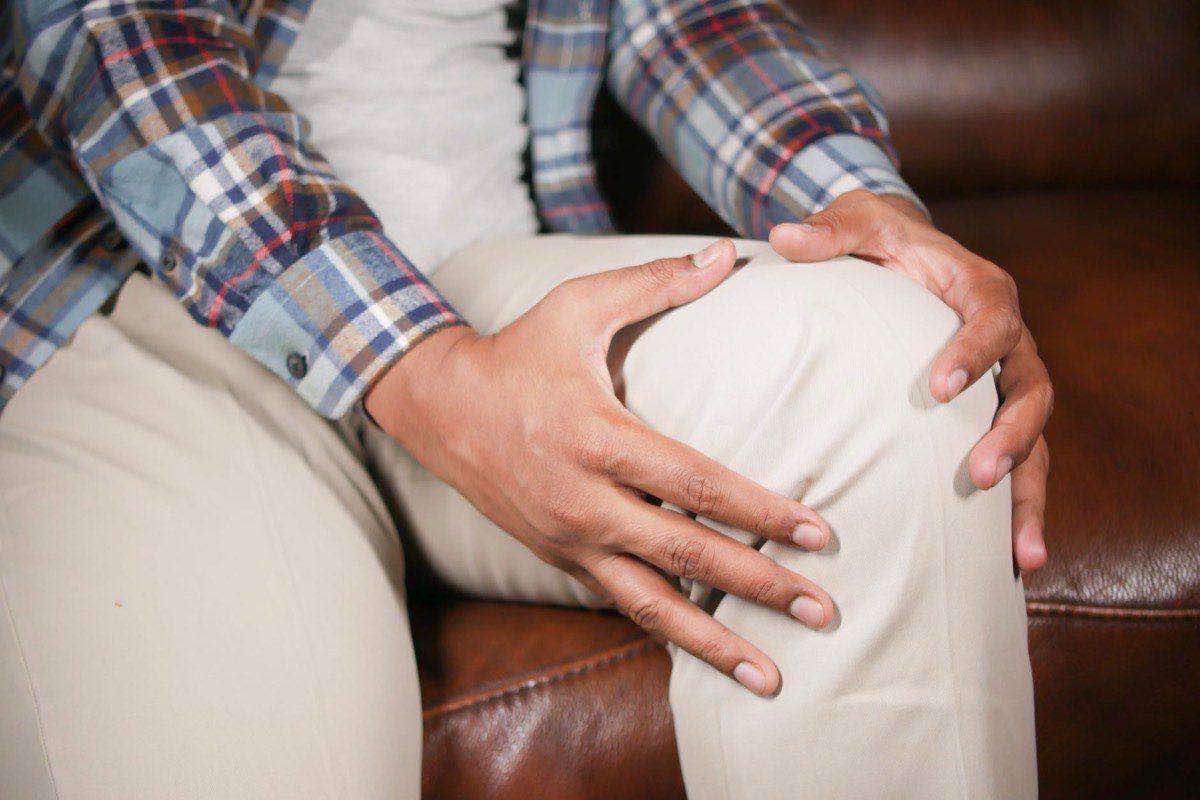
You’ve done everything you were told to do. You rested it. You iced it. You took the pills, then took more of them. Maybe you got an injection, or a stack of imaging that came back “unremarkable” while you sat there feeling anything but. You’ve cycled through providers who gave you fifteen rushed minutes, a generic exercise sheet, and a follow-up three weeks out. And the pain (in your low back, across your whole body, deep in tissue that never seems to let go) is still here.
If you’re searching for chronic pain physical therapy in Reno because the conventional path has run out of road, this is for you. Chronic pain that’s lasted months or years rarely responds to the assembly-line approach because the assembly line was never built to find your specific drivers. At Healing Hands, the entire model is different: one therapist, one hour, hands on you the whole time, hunting down the actual sources of your pain instead of chasing the symptom. Here’s how that works and why it so often succeeds where other things haven’t.
Why chronic pain is so hard to shake
Acute pain is honest, you sprain an ankle, it hurts, it heals. Chronic pain is more complicated. After pain persists for months, the problem is usually no longer just the original injury. Restricted joints, knotted and fibrotic soft tissue, guarded muscles, altered movement patterns, and a nervous system that has grown more sensitive to pain signals all start feeding each other. Pull on any one thread and the others hold the knot in place.
That’s why a pill or a single modality rarely fixes it. Medication can quiet the volume, but it doesn’t restore a stuck joint or release the fascia wrapped tight around a muscle. This is exactly why national guidelines have shifted hard toward hands-on and movement-based care as the first line of treatment, not the last resort after the prescriptions fail.
The American College of Physicians, in its clinical practice guideline on low back pain, was blunt about reaching for drugs first:
“Physicians should avoid prescribing unnecessary tests and costly and potentially harmful drugs, especially narcotics, for these patients.”
: Nitin S. Damle, MD, MS, MACP, President, American College of Physicians
The same guideline recommends that for chronic low back pain, physicians and patients initially select non-drug therapy (including exercise, multidisciplinary rehabilitation, and spinal manipulation) before reaching for medication. In other words, the hands-on, movement-based care you came here looking for isn’t fringe, it’s what the evidence points to first.
What hands-on therapy actually does for chronic pain
The reason a concierge, manual-therapy-first approach works is that it can address several of those reinforcing problems in a single session. Here’s how the core techniques at Healing Hands target chronic pain, and the specific pain areas they help most.
Manual therapy and bodywork
Manual therapy is skilled, hands-on work, joint mobilization to restore motion to stiff segments, soft-tissue mobilization to break up restriction, and targeted pressure to release the trigger points that refer pain elsewhere. For chronic low back pain, this is often the missing piece: it frees up the lumbar and hip joints that have quietly stopped moving and quiets the surrounding muscles that have been guarding for months. Because every session is a full hour with the same therapist, the work compounds visit over visit instead of restarting from scratch.
Myofascial release
Fascia is the connective tissue webbing that wraps every muscle. When it gets tight, dehydrated, or adhered, it can tug on structures far from where you actually feel the ache. Myofascial release uses sustained, low-load pressure to let that tissue lengthen and rehydrate. For widespread conditions like fibromyalgia, where pain isn’t confined to one joint, slow myofascial work can calm an over-protective nervous system and reduce the all-over stiffness that makes morning movement so hard.
Dry needling
Dry needling places a thin monofilament needle directly into a taut, painful band of muscle (a trigger point) to provoke a release and reset overactive tissue. It’s especially useful for the deep, stubborn knots in the low back and glutes that hands alone can’t always reach. Patients with chronic low back pain often feel a meaningful drop in tension after a needling session, which opens a window to retrain better movement.
CranioSacral therapy
CranioSacral therapy is a very gentle, light-touch technique that works with the membranes and fluid surrounding the brain and spinal cord. For people with fibromyalgia and chronic pain who are touch-sensitive and wound-up, it offers a way to down-regulate the nervous system without aggressive pressure, often the entry point for someone whose body has stopped tolerating “normal” treatment.
Crucially, none of these are applied off a template. As the American Physical Therapy Association puts it on its patient resource ChoosePT:
“Not all chronic pain is the same. Your therapist will evaluate your clinical examination and test results and design an individualized treatment plan that fits you best.”
What evidence says about the long game
Hands-on care isn’t magic, and honesty matters here. For chronic pain, the research shows real but condition-specific benefit. The National Center for Complementary and Integrative Health notes that for fibromyalgia specifically, sustained work pays off:
“Several studies show that massage therapy, if continued for 5 weeks or longer, may reduce pain and improve other symptoms in people with fibromyalgia.”
That word sustained is the whole point. Short, fragmented appointments don’t give chronic pain enough consistent input to change. The concierge model is built around continuity (the same expert hands, enough time, and a plan that evolves with you) which is precisely the structure the evidence rewards.
What a concierge visit at Healing Hands looks like
If your only reference for PT is a crowded clinic where a tech hands you off to a heating pad, a concierge visit will feel like a different profession entirely.
- A full hour, one-on-one. No double-booking, no being passed between aides. It’s you and Dr. Jamie Pribyl (PT, DPT, MTC) the entire time.
- A real evaluation first. Before any technique, she takes a full history and does a thorough movement and hands-on assessment to find your drivers, not the average patient’s.
- Hands on you, not on a clipboard. The majority of the session is active treatment: manual therapy, dry needling, myofascial release, or craniosacral work as your case calls for.
- A plan you can do. You leave with a short, specific set of movements that reinforce the session’s gains, not a generic photocopied sheet.
- Come to you, if you need it. For flare-prone chronic pain patients, mobile visits to your home in Reno are available so a bad day doesn’t mean a missed session.
You can read more about how the model works on our concierge PT page.
The cash-pay value: why no insurance is the advantage
Healing Hands is a cash-pay practice, and for chronic pain that’s a feature, not a downside. Insurance-driven clinics are paid to maximize visit volume, which is why you get fifteen minutes and a shared therapist. By stepping outside that system, the entire hour goes to your treatment, and a single focused concierge session often accomplishes what three watered-down insurance visits can’t.
When you compare a full hour of expert one-on-one care against the real cost of repeat copays, gas, time off work, and months of partial appointments that never quite resolve the problem, the math tends to favor doing it right the first time. Transparent pricing means you always know what you’re paying, no surprise bills, no denied claims.
Ready to stop managing your chronic pain and start resolving it? Call (775) 452-4471 to book with Dr. Jamie Pribyl and find out what an hour of real hands-on care can do.
Frequently Asked Questions
Is physical therapy worth it if I’ve already tried everything else? Often, yes, especially if the “everything else” was medication, imaging, or rushed appointments that never included a thorough hands-on assessment. Chronic pain is usually driven by stiff joints, restricted tissue, and a sensitized nervous system that those approaches don’t directly address. A concierge evaluation looks specifically for those drivers in your body.
Can hands-on PT really help fibromyalgia? It can help manage it. Research summarized by the NCCIH found that massage therapy continued for five weeks or longer may reduce pain and improve symptoms in people with fibromyalgia. Gentle techniques like myofascial release and craniosacral therapy are chosen specifically because they calm an over-sensitive system rather than aggravate it.
Do I need a doctor’s referral? Nevada allows direct access to physical therapy, so most patients can start care without a referral. If your situation needs physician coordination, we’ll let you know at your evaluation.
How many visits before I feel a difference? Many patients notice meaningful change within the first few sessions, but lasting relief for true chronic pain comes from consistency. Because the evidence favors sustained treatment, we focus on a steady plan rather than one heroic visit.
Do you come to my home? Yes. For patients in Reno, mobile concierge visits are available so chronic pain flare-ups, mobility issues, or a packed schedule don’t get in the way of care.
Sources
- American College of Physicians, ACP issues guideline for treating nonradicular low back pain
- Annals of Internal Medicine, Noninvasive Treatments for Acute, Subacute, and Chronic Low Back Pain: A Clinical Practice Guideline From the American College of Physicians
- ChoosePT (APTA), Physical Therapy Guide to Chronic Pain
- ChoosePT (APTA), Physical Therapy Guide to Fibromyalgia
- NCCIH (NIH), Chronic Pain and Complementary Health Approaches: Usefulness and Safety
- NCCIH (NIH), Complementary Health Approaches for Chronic Pain: What the Science Says